

What virtual reality content is
Virtual reality headsets are the equipment. Virtual reality content is what happens inside them: the place the person is in, what they see when they turn their head, the objects they can interact with and the story they live in a few minutes.
For a brand, content decides whether the experience becomes a memory or just a tech curiosity. That's why every project starts with the goal (launching a product, teaching, training, moving people) and only then gets to the technique: 3D modeling, 360° filming or a mix of both.
VR content formats
| Format | How it's made | Interaction | XR Studio example |
|---|---|---|---|
| Interactive 3D environment | 3D modeling and programmed interactions | High: explore, choose, touch | Milka and Banco BV |
| 360° video | Filmed with a 360° camera or animation rendered in 360° | Low: look around, fixed path | — |
| 360° virtual tour | 360° photos or modeling, with interactive hotspots | Medium: move between areas | Arena, BTG, Careplus and DMC |
| Simulation and training | 3D environment with the task's rules | High: practice and repeat | Automotive painting with AIcar |
| Educational experience | 3D environment with learning content and hotspots | Medium to high | Enel (in Portuguese) |
| Multiplatform virtual world | 3D environment published as an immersive website | High, on headsets and in the browser | Claro Mundos |
The most important difference is between 360° video and an interactive 3D environment. In a video, people look in every direction but follow a fixed path. In a 3D environment, they decide where to go and what to do. A video tells a story; an environment lets people explore it.
How we produce virtual reality content
- Goal, audience and setting. What the brand wants people to feel or learn, who will use it and where the content will run: event, store, training or web.
- Script and length. Beginning, middle and end of the experience. At events, 2- to 5-minute sessions.
- Art direction and environment creation. 3D modeling, 360° capture or both, with the brand's identity.
- Interaction and sound. What participants can touch, choose or do, and the audio that guides their gaze.
- Headset testing. Comfort, legibility, session length and ease of use for first-time VR users.
- Launch. Installation on the headsets, screen mirroring for people in the queue and, when it makes sense, a browser version.
- Operation and data. Staff at the event and a participation and engagement report.
VR content best practices for events
- Short sessions. 2 to 5 minutes, so the queue moves and nobody gets tired.
- A guided start. The first seconds teach people how to look and interact, without long explanations.
- Comfort first. Avoid sudden camera movements people don't control; let them set their own pace.
- Little text, large type. Inside a headset, sound and images communicate better than paragraphs.
- A screen for the audience. Mirroring what the participant sees turns the queue into an audience and draws passers-by.
- Content installed on the headsets. The experience keeps running if the venue internet drops.
Where the content runs
| Platform | When to use it | Note |
|---|---|---|
| Standalone VR headsets | Events, stores and in-person training | Full immersion; run by staff on site |
| Browser (phone and computer) | Campaigns, post-event and remote audiences | Opens by link, no app to install |
| Screen or kiosk with mirroring | Booths and audiences | Shows the experience to people without a headset |
The same world can be published on all three. The immersive Careplus clinic visit, for example, can be taken on the web or with a VR headset (case in Portuguese). That's how content created for an event keeps working for the brand afterwards.
What virtual reality content costs
| Size | Investment | Typical profile |
|---|---|---|
| Simple project | BRL 10,000 to 30,000 | Lean or off-the-shelf content, such as 360° video, a few stations and a short event |
| Mid-size project | BRL 30,000 to 60,000 | Custom content with interactions and data capture |
| Large project | BRL 60,000 to 200,000 | Bespoke environment, several stations or several days, full operation and reporting |
| 360° virtual tour | BRL 5,000 to 20,000 | Depending on the number of areas and interactivity (see details) |
What moves the price most: environment complexity (3D modeling costs more than 360° filming), the level of interaction, the number of headsets and stations, days of operation and extra versions, such as browser and other languages. Each proposal is built by scope after the briefing.
XR Studio VR content cases

Milka
A virtual cable car over the Swiss Alps, with VR headsets, inside a mall, for the brand's launch in Brazil.
See case ↗
Banco BV
A virtual reality experience at the Skateboarding World Championship that put people on the track.
See case ↗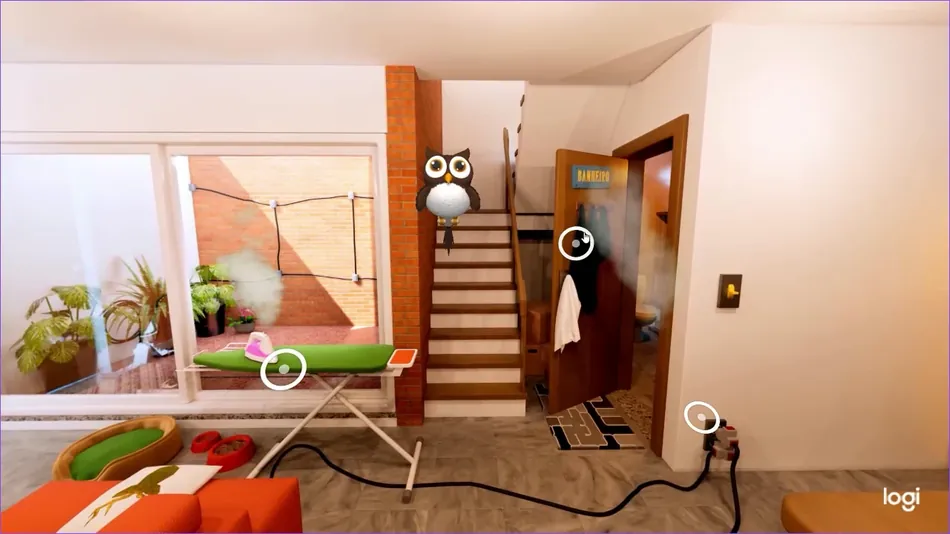
Enel
An educational virtual reality platform where children learn to save energy in a hands-on way (case in Portuguese).
See case ↗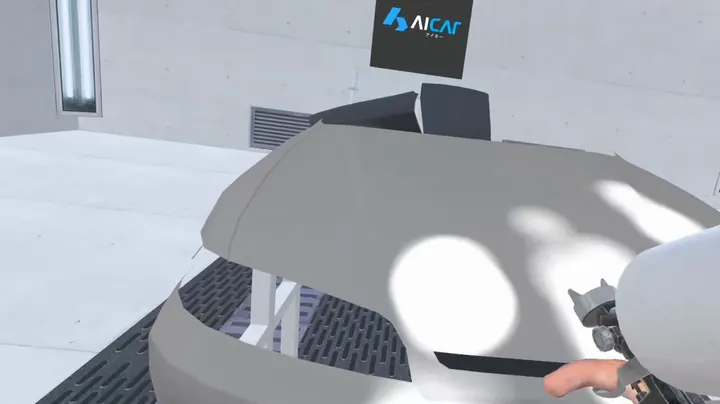
Automotive painting with AIcar
A virtual reality automotive painting course developed together with AIcar Reparos Automotivos.
See case ↗See also how virtual reality works at events and the guide AR or VR for events.
Frequently asked questions
What is virtual reality content?
It is everything participants see and do inside a VR headset: interactive 3D environments, 360° videos, virtual tours and simulations. The headset is the equipment; the content is the experience. XR Studio produces this content to order for brands, from script to launch.
What formats of virtual reality content are there?
The main ones are the interactive 3D environment, 360° video, 360° virtual tour, simulation or training, educational experience and the multiplatform virtual world, which opens on VR headsets and in the browser. Each format has a different level of interaction and cost.
How much does it cost to produce virtual reality content?
At XR Studio, AR and VR projects range from BRL 10,000 to 30,000 (simple), BRL 30,000 to 60,000 (mid-size) and BRL 60,000 to 200,000 (large), at October 2026 prices. Virtual tours cost BRL 5,000 to 20,000. The price depends on the environment, interactions, hardware and days of operation.
What is the difference between 360° video and an interactive 3D environment?
In a 360° video, participants can look in every direction but follow a fixed path from start to finish. In an interactive 3D environment, they choose where to go and interact with objects, as in the Milka virtual cable car and the Banco BV skate track. A video tells a story; a 3D environment lets people explore it.
Does virtual reality content need internet?
Not at events: the content is installed on the headsets and runs without depending on the venue network. Internet is only needed for versions published in the browser, such as virtual tours and immersive websites, or to send photos and videos to guests.
Can the same content be used at the event and on the brand's website?
Yes, depending on the project. Environments built for VR headsets can get a version for phone and computer browsers that stays online after the event. The immersive Careplus clinic visit, for example, can be taken on the web or with a VR headset.
How long should a virtual reality experience last at an event?
At events, XR Studio works with 2- to 5-minute sessions. That is enough time for people to understand the experience and remember the brand, without getting tired or holding up the queue.
About this page. Written by the team at XR Studio, a creative technology studio based in São Carlos, Brazil, that has produced virtual reality content, AR experiences, immersive websites and AI activations for brands since 2020. The price ranges are the ones the studio charged in October 2026.