 PT | EN
PT | EN
PT | EN
Became an instrument
Just paper and touch
No instructions
Instant sound
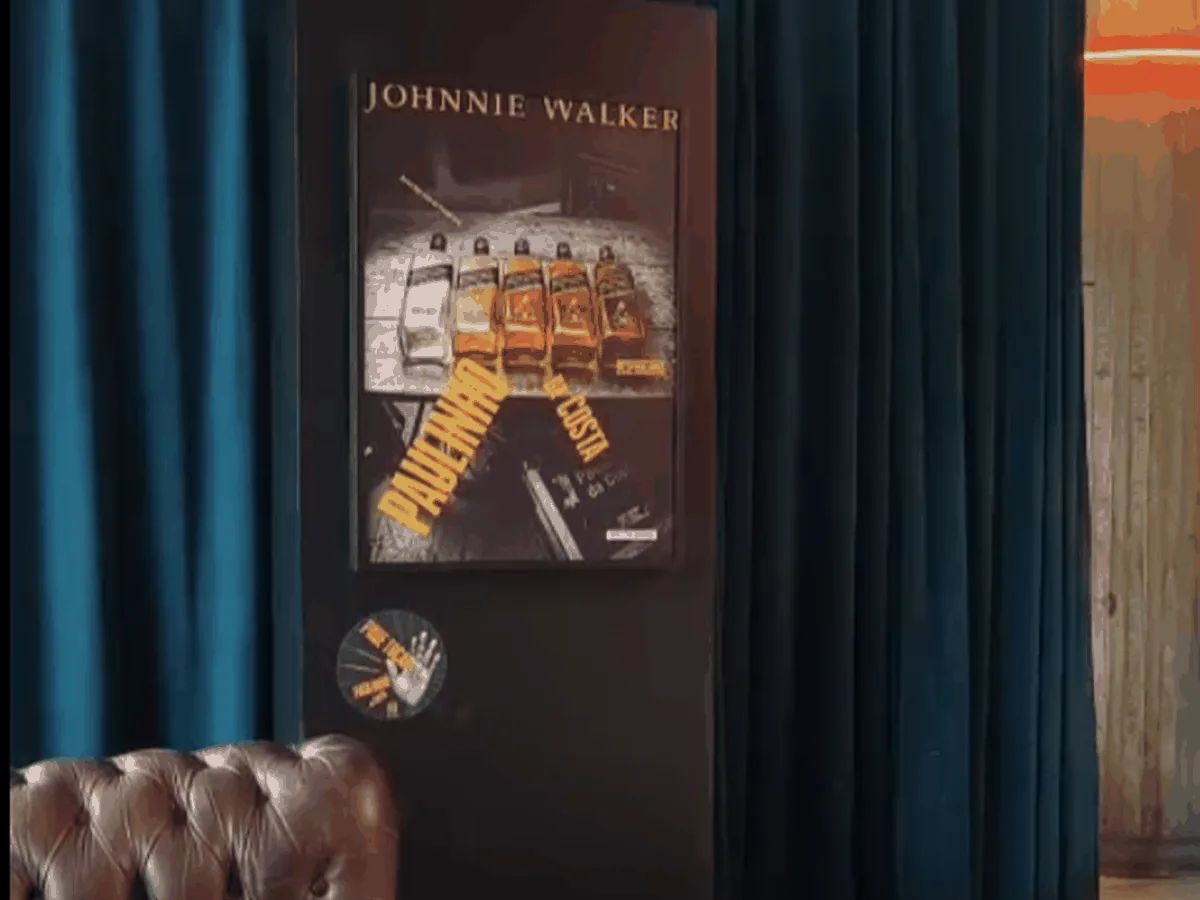
For Johnnie Walker, we turned a paper poster into a touchable device. The artwork featured Paulinho da Costa percussion set in print — congas, drums, cymbals, brand bottles — and touching each instrument in the image played exactly that sound.
The piece was still a poster: same print, same paper, same campaign artwork. All the technology sat behind it. A touch-sensor mesh on the back mapped every instrument in the image, and the touch fired the matching audio sample within milliseconds — fast enough for the brain to register that its own gesture produced the sound.
The result is that nobody needed instructions. People walked up, touched it out of curiosity, heard the drum respond and stayed there building rhythms with both hands — literally stepping into the rhythm of Paulinho da Costa.
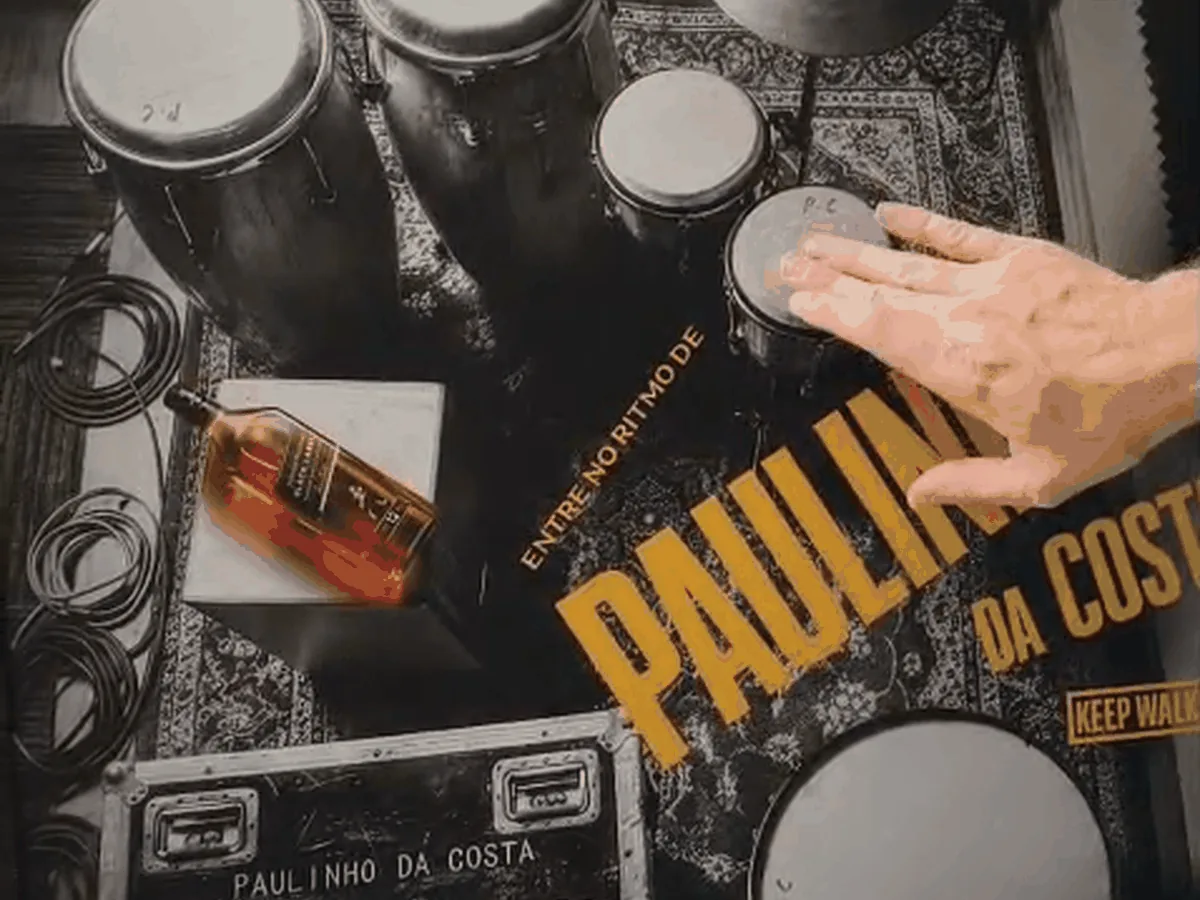
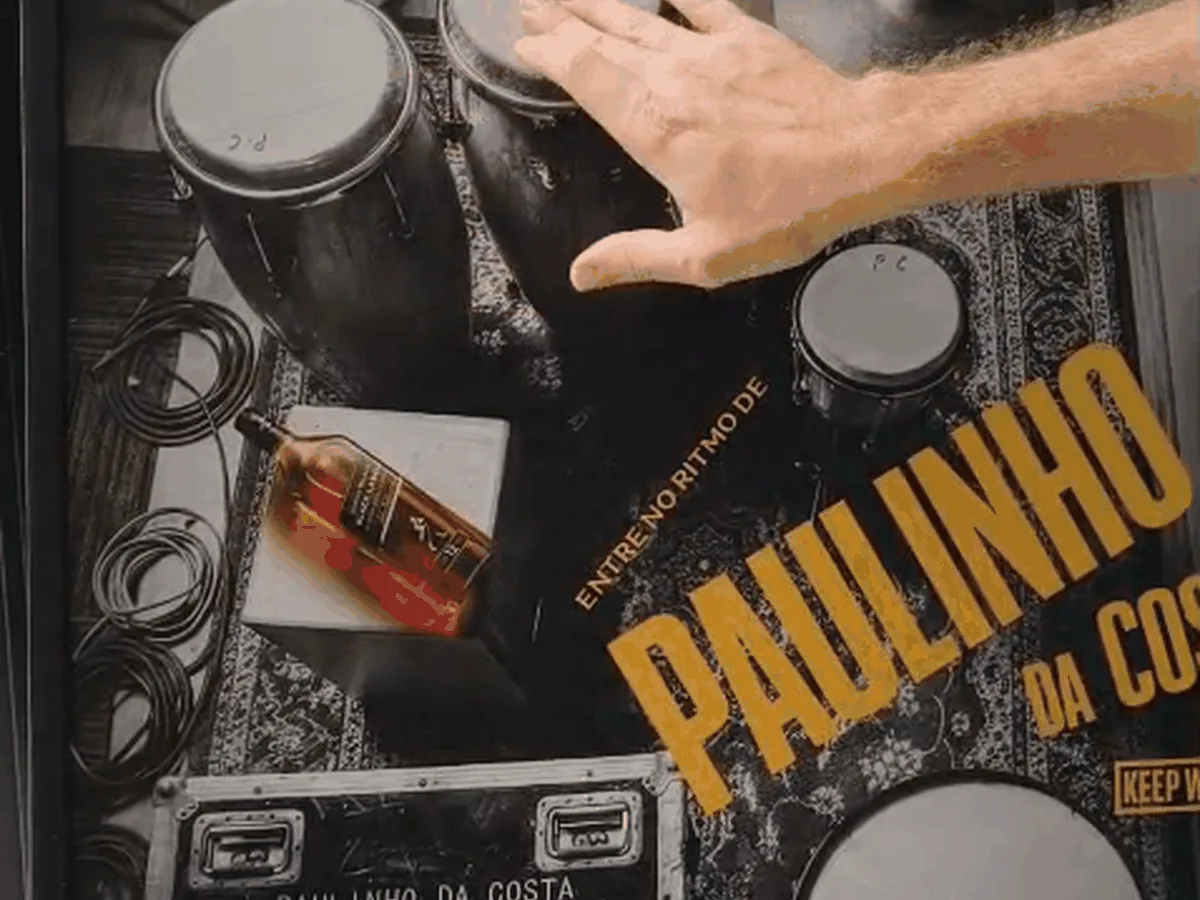
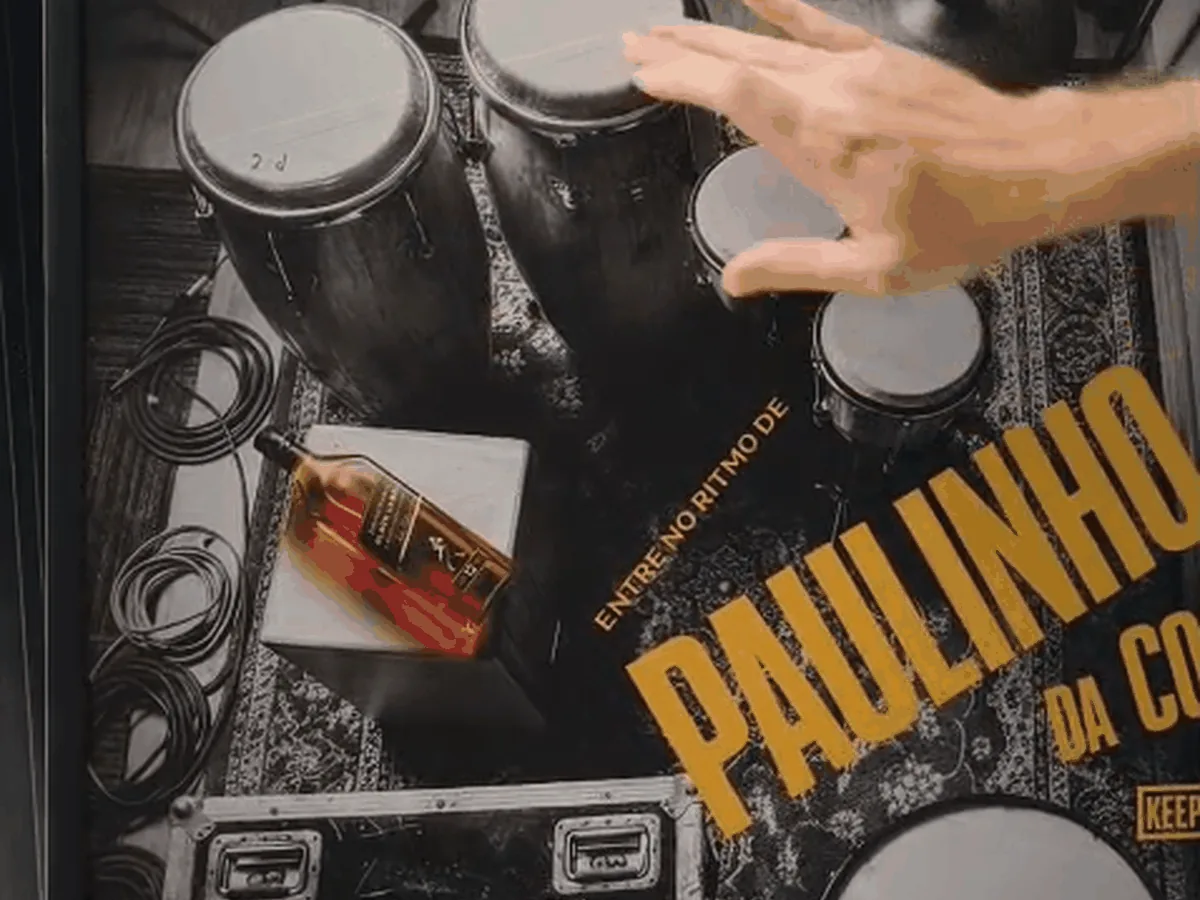
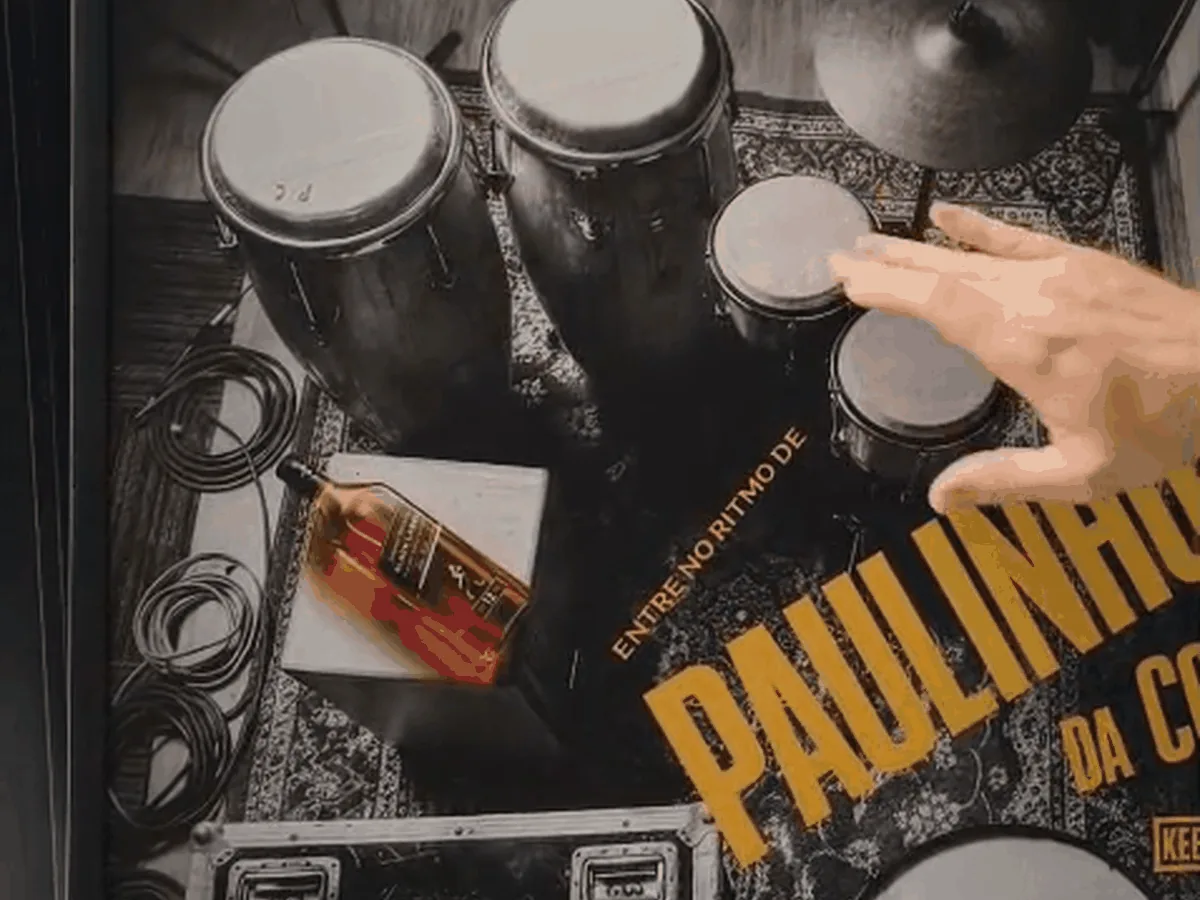
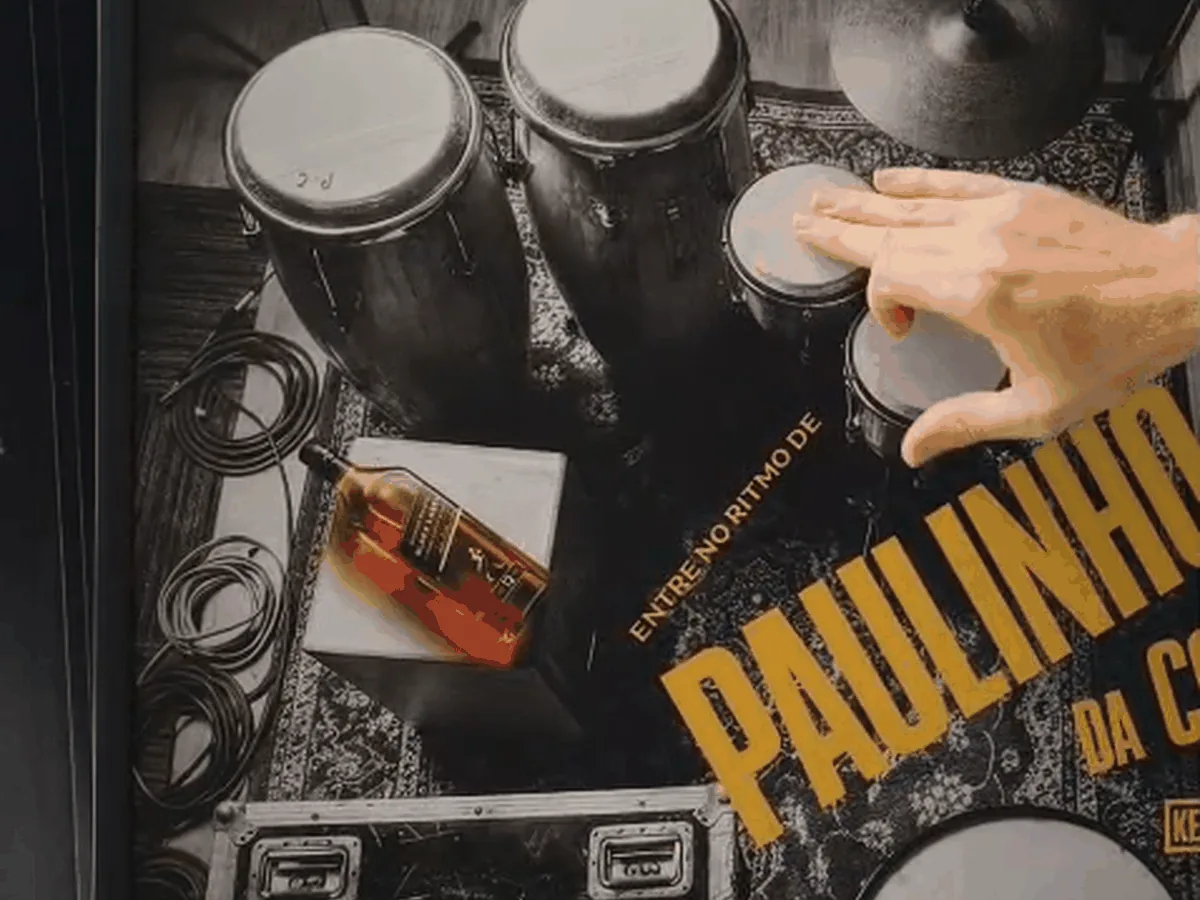
Sensors installed behind the print detect the hand contact with no visible change to the artwork — the audience sees an ordinary poster.
Each printed conga, drum and cymbal has its own mapped zone and its own audio sample, recorded to match the instrument in the image.
The latency between touch and sound has to be imperceptible for the experience to work. It was the most closely tracked parameter in development.
The system reads several zones at once, allowing both hands to play and build real grooves instead of isolated sounds.
A discreet black standing structure that blends into the bar and retail environment without looking like a piece of tech equipment.
Switch it on and it runs all day. No staff needed to explain it: the curiosity of the first touch teaches the rest.
A touch-sensor mesh is installed behind the print. Each instrument drawn on the poster becomes a mapped zone; when a hand touches that region, the system identifies the zone and fires the matching audio sample. From the front, the piece remains an ordinary printed poster with the same campaign artwork.
The Paulinho da Costa project. XR Studio turned the Johnnie Walker campaign poster, which featured the musician percussion set in print, into a touchable surface: people touched the drums, congas and cymbals in the image and heard each instrument play for real, building rhythms with both hands.
Because the brain only links the sound to its own gesture if the response arrives within a few milliseconds. Beyond that, the person notices the delay and the feeling of playing an instrument is lost. It was the most closely tracked parameter during development.
Yes. The kiosk was designed for autonomous operation: switch it on and it runs all day, with no need for staff explaining how to use it. The curiosity of the first touch teaches the rest, which makes the format suitable for bars, stores, trade shows and brand activations.
Yes. The same sensing logic behind the surface can be applied to posters, panels, shop windows, tables, oversized packaging and sets. What changes is the zone mapping and the content triggered — sound, light, video or motion. See other formats in Projetos Especiais.
Next project
Tell us your challenge. We build the right special project for your brand.
We reply within 2 hours on business days
Discover the expertise behind this project and other work by XR Studio.